

Dental Sealants in Sea Isle City, NJ
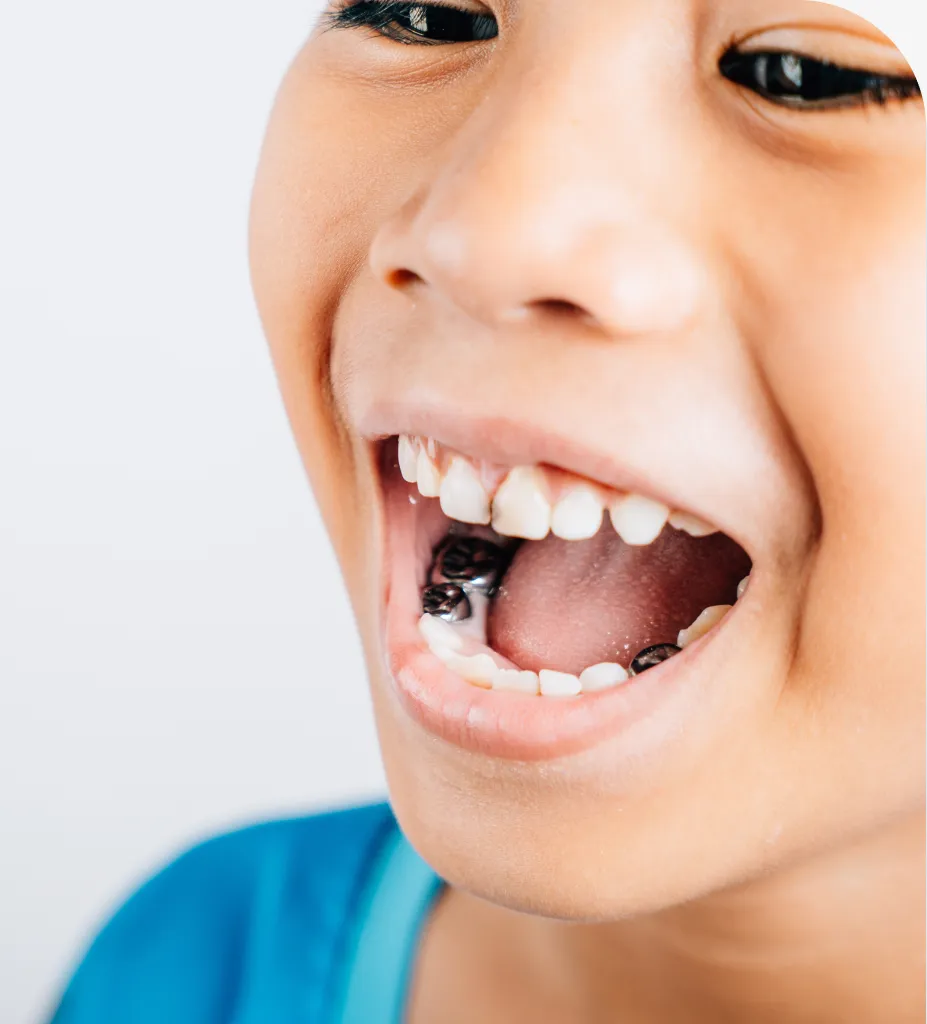
Dental sealants in Sea Isle City, New Jersey, are a simple, preventive treatment that shields the deep grooves of back teeth from decay. At Sea Isle Smiles, patients can explore how sealants protect molars and premolars, why they are recommended for children and adults at higher risk for cavities, and what the appointment involves from start to finish.
Dental sealants are thin, protective coatings placed on the chewing surfaces of molars and premolars. These teeth have natural pits and fissures that can trap food and bacteria, making them harder to clean. A sealant flows into these grooves and hardens into a smooth barrier, reducing the chance that plaque can settle and cause a cavity.
This preventive approach is common for children as their permanent molars erupt, but adults with deep grooves, a history of cavities, or limited fluoride exposure may also benefit. Sealants are typically made from resin-based materials or glass ionomer cements. Resin sealants are often light-cured for strength, while glass ionomer options can release fluoride. Both types are safe, well-studied, and designed for dental use.
Sealants do not treat existing decay. Instead, they help stop new decay from starting on healthy tooth surfaces. Good home care remains essential. Brushing with fluoride toothpaste, flossing daily, and regular checkups support long-term results.
How Dental Sealants Can Help You
- Cavity prevention on chewing surfaces where most back-tooth decay begins.
- Minimally invasive care with no drilling and no numbing required.
- Quick placement that fits easily into a routine dental visit.
- A smoother surface that is easier to keep clean each day.
- Protection during cavity-prone years for kids and teens, with benefits for adults at risk.

The Dental Sealants Process
The appointment is straightforward and comfortable. Here is how dental sealants work during a typical visit:
- Evaluation: Our dentist will examine your teeth to identify the best candidates for sealants, often newly erupted molars and premolars.
- Cleaning: The tooth is cleaned to remove plaque and debris from the grooves.
- Etching: A gentle gel prepares the enamel so the sealant can bond well. The gel is rinsed off and the tooth is dried.
- Application: The liquid sealant is brushed onto the grooves and flows into the pits.
- Curing: A blue light hardens the material within seconds for a durable finish.
- Final check: The bite is checked and the surface is smoothed as needed.
Most patients can eat and drink right after the visit. The entire process for several teeth often takes only minutes per tooth.
What to Expect
Sealant placement is painless. You may notice a slight plastic taste or feel a mild texture change at first. This sensation fades quickly as you chew. Normal brushing and flossing should continue the same day. To keep the coating intact, avoid biting hard objects and be mindful with sticky candies.
With routine cleanings and checkups, sealants can last several years. Many last three to five years or longer, but they can wear down over time. Our dentist will examine sealants at each visit and can add material if a portion chips or is lost. Sealants do not replace brushing, flossing, or fluoride exposure; they complement these habits to reduce cavity risk.
Frequently Asked Questions About Dental Sealants
Dental sealants are thin coatings that cover the grooves of back teeth. They help block food and bacteria from settling in pits and fissures, lowering cavity risk.
By sealing deep grooves, they create a smooth, protective layer. This barrier makes it harder for plaque acids to attack enamel on the chewing surfaces of molars and premolars.
No. Children and teens benefit as new molars erupt, but adults with deep grooves, a history of decay, or higher cavity risk can also be good candidates.
Sealants often last three to five years and sometimes longer. During checkups, worn or chipped areas can be repaired by adding more material to restore coverage.
Some resin materials may have trace BPA exposure during placement, but levels are extremely low and considered safe. The preventive benefits generally outweigh this concern.
It is unlikely when a sealant is intact. If part of a sealant wears away and plaque collects in an exposed groove, decay can develop. Regular exams help catch changes early.
A sealant prevents decay on a healthy tooth surface. A filling treats a tooth that already has a cavity. Sealants are preventive; fillings are restorative. For questions about dental sealants in Sea Isle City, NJ, or to schedule an appointment at Sea Isle Smiles, call 609-263-4201. Appointments can be arranged with Dr. Kavitha Battula.
Why Patients Choose Sea Isle Smiles
University-Trained Dentist
Dr. Kavitha Battula earned her degree from the University of Pennsylvania School of Dental Medicine and completed a General Practice Residency at Hackensack University Medical Center.
Serving Sea Isle City & Cape May County
Located at 4311 Landis Avenue, we proudly serve patients from Sea Isle City, Ocean City, Avalon, Stone Harbor, and the greater Seven Mile Island area.
Over a Century of Community Trust
Sea Isle Smiles is the only dental office in Sea Isle City, serving the community for more than 100 years. Most new patients come through referrals from neighbors and families.
Friendly, Patient-Centered Team
Our small, close-knit team knows patients by name and focuses on comfort, clear communication, and a welcoming, positive atmosphere at every visit.
Schedule Your Dental Sealants Consultation in Sea Isle City, NJ
Dental sealants at Sea Isle Smiles protect the deep grooves of molars where cavities most often start. Dr. Kavitha Battula applies this quick, painless coating for children and cavity-prone adults — a simple step that can prevent years of decay and more complex treatment.