

Root Canal Therapy in Sea Isle City, NJ
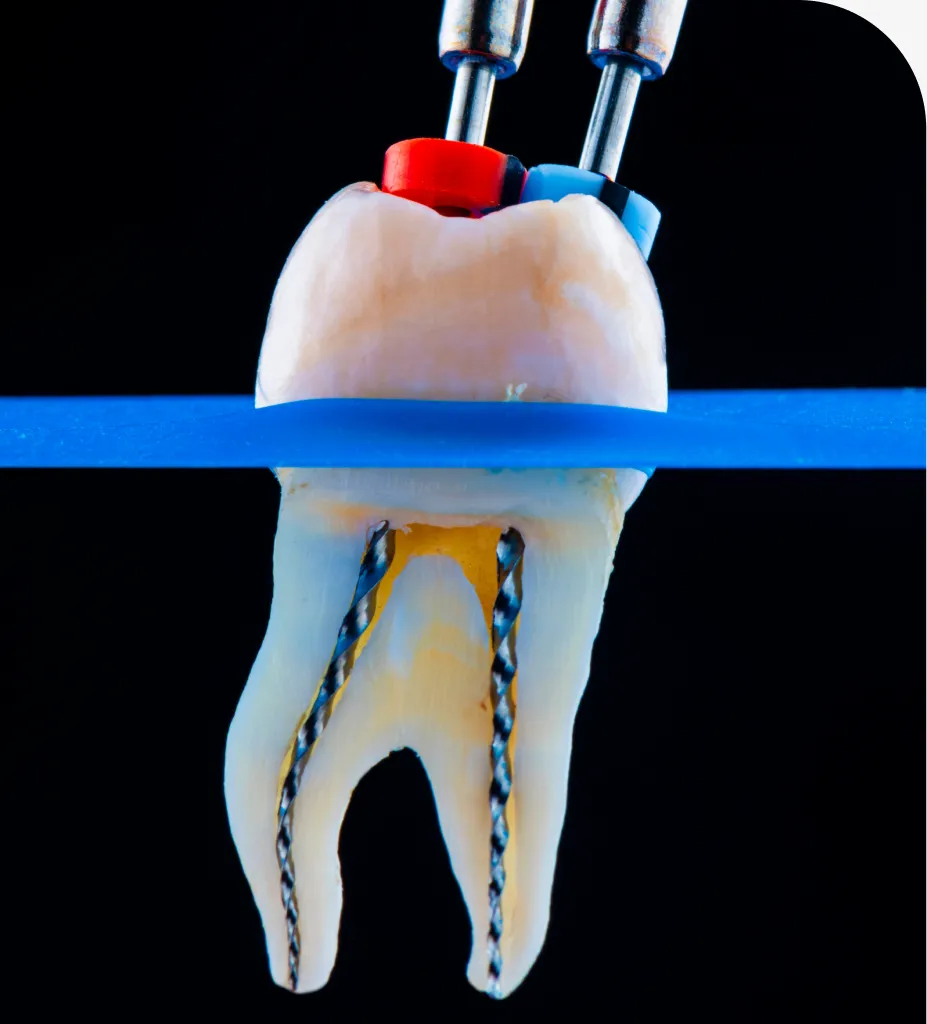
Root canal therapy in Sea Isle City, New Jersey, is a proven way to treat infection inside a tooth while preserving your natural smile. This endodontic treatment focuses on removing inflamed or infected pulp tissue, disinfecting the canal system, and sealing the tooth to prevent reinfection. Patients often consider a root canal when deep decay, a crack, or trauma leads to lingering pain or sensitivity.
Each tooth has a central space containing nerves, blood vessels, and connective tissue called the pulp. When bacteria reach the pulp—often through a cavity or fracture—the tissue can become inflamed or infected. Root canal therapy removes the diseased pulp, cleans and shapes the internal canals, and fills them with a biocompatible material. The goal is to stop pain, control infection, and keep the tooth functioning.
Common signs you may need this treatment include prolonged sensitivity to hot or cold, tenderness when chewing, swelling, a pimple-like bump on the gums, or pain that wakes you at night. In many cases, saving the tooth with a root canal supports chewing comfort, maintains bite alignment, and avoids the long-term changes that can follow extraction.
Why Consider Root Canal Therapy?
- Pain relief from inflamed or infected pulp.
- Tooth preservation that helps maintain natural chewing function.
- Control of infection that protects surrounding bone and gums.
- Efficient recovery with predictable long-term outcomes.
- Cost-effective alternative to extraction and replacement.
How Root Canal Therapy Works
The process begins with a thorough examination, dental X-rays, and a diagnosis by our dentist. Local anesthesia is used to numb the area so you stay comfortable throughout the procedure. A protective barrier, called a rubber dam, keeps the tooth dry and isolated.
A small opening is made in the top of the tooth to access the canals. Specialized instruments remove the infected pulp and shape the canals for cleaning. Antibacterial solutions disinfect the internal space. Once the canals are clean and dry, they are filled with a material such as gutta-percha and sealed. A temporary filling is placed to close the access opening.
Most back teeth and many front teeth will benefit from a permanent crown after root canal therapy. The crown restores strength and protects the remaining tooth structure from fracture, helping the tooth last for many years.
Your Experience And What To Expect
During treatment, you can expect effective numbing and modern pain management. Afterward, it is normal to have mild tenderness for a few days, especially when chewing. Over-the-counter pain relievers usually help, and most people resume normal activities the same day.
Plan to avoid chewing on the treated tooth until a final restoration is in place. Good brushing and flossing are essential, and follow-up visits confirm proper healing. Contact the office if you notice increasing pain, swelling, or a loose temporary filling. These are uncommon but important to address.
Patients sometimes ask about root canal therapy vs. extraction. When possible, saving the natural tooth preserves jawbone stimulation and chewing efficiency, often making root canal therapy the preferred choice. Extraction may be considered if the tooth is too damaged to restore, if there is a vertical root fracture, or if periodontal support is poor.
Frequently Asked Questions About Root Canal Therapy
With local anesthesia and modern techniques, most patients report the procedure feels similar to getting a filling. Temporary tenderness afterward is common and manageable.
Many cases are completed in one visit lasting 60 to 90 minutes. Complex teeth or severe infections may require a second visit to ensure full disinfection.
Back teeth almost always need a crown to prevent fracture. Front teeth may be restored with a filling or a crown depending on remaining tooth structure.
Keeping your natural tooth supports efficient chewing, helps maintain jawbone and bite alignment, and avoids the added steps of replacing a missing tooth.
Warning signs include lingering sensitivity, biting pain, swelling, or a gum pimple. An exam and X-rays confirm whether the pulp is inflamed or infected.
Untreated infection can spread, increase pain, and damage bone. Delays may reduce the chance of saving the tooth and can lead to more complex care later. For questions about root canal therapy in Sea Isle City, NJ, contact Sea Isle Smiles at 609-263-4201, and schedule an appointment with Dr. Kavitha Battula to review your options and next steps.
Why Patients Choose Sea Isle Smiles
University-Trained Dentist
Dr. Kavitha Battula earned her degree from the University of Pennsylvania School of Dental Medicine and completed a General Practice Residency at Hackensack University Medical Center.
Serving Sea Isle City & Cape May County
Located at 4311 Landis Avenue, we proudly serve patients from Sea Isle City, Ocean City, Avalon, Stone Harbor, and the greater Seven Mile Island area.
Over a Century of Community Trust
Sea Isle Smiles is the only dental office in Sea Isle City, serving the community for more than 100 years. Most new patients come through referrals from neighbors and families.
Friendly, Patient-Centered Team
Our small, close-knit team knows patients by name and focuses on comfort, clear communication, and a welcoming, positive atmosphere at every visit.
Schedule Your Root Canal Therapy Consultation in Sea Isle City, NJ
Root canal therapy at Sea Isle Smiles saves infected or severely damaged teeth by removing the diseased pulp, cleaning the canals, and sealing the tooth for lasting health. Dr. Kavitha Battula uses modern techniques and effective numbing so the procedure is far more comfortable than its reputation suggests.